Investing in short-term rentals via Airbnb in Dubai is becoming increasingly popular among Slovak and Czech investors. Many are attracted by the idea of high ROI and flexible property use, but reality can be different. This article provides an overview of real returns, seasonal fluctuations, and costs associated with Airbnb in Dubai, helping you decide whether this rental model is right for you.
In recent years, Dubai has seen a significant boom in short-term rentals, with locations such as Dubai Marina, Palm Jumeirah, Downtown, and Jumeirah Village Circle becoming highly sought-after by tourists and expats. Airbnb offers higher returns than traditional long-term rentals; however, it requires active management and careful planning. For investors, it is therefore essential to understand the difference between expected and actual ROI, seasonal factors, and property management costs.
Airbnb in Dubai allows for a combination of income and flexibility-the owner can use the apartment according to their own needs, while short-term rentals generate higher income. On the other hand, investors must consider administrative tasks, licensing requirements, and potential occupancy volatility. In this article, we examine real data, returns by location, and compare investor expectations with reality.
Over the past decade, Dubai has undergone a major transformation into a global tourist destination and a hub for short-term rentals. Areas such as Dubai Marina, Palm Jumeirah, and Downtown attract thousands of tourists every year, supporting the growth of Airbnb rentals. The popularity of Airbnb is driven by owner flexibility and consistently high apartment occupancy throughout the year.
Slovak and Czech investors see Airbnb as an opportunity for higher ROI compared to long-term tenants, but they must also account for seasonal fluctuations and administrative requirements.
Short-term rentals can deliver higher monthly returns, allow flexible use of the property, and provide exposure to an international market of tourists and expats. However, some investors prefer the stable cash flow of long-term tenants, which comes with a lower risk of vacancy periods.
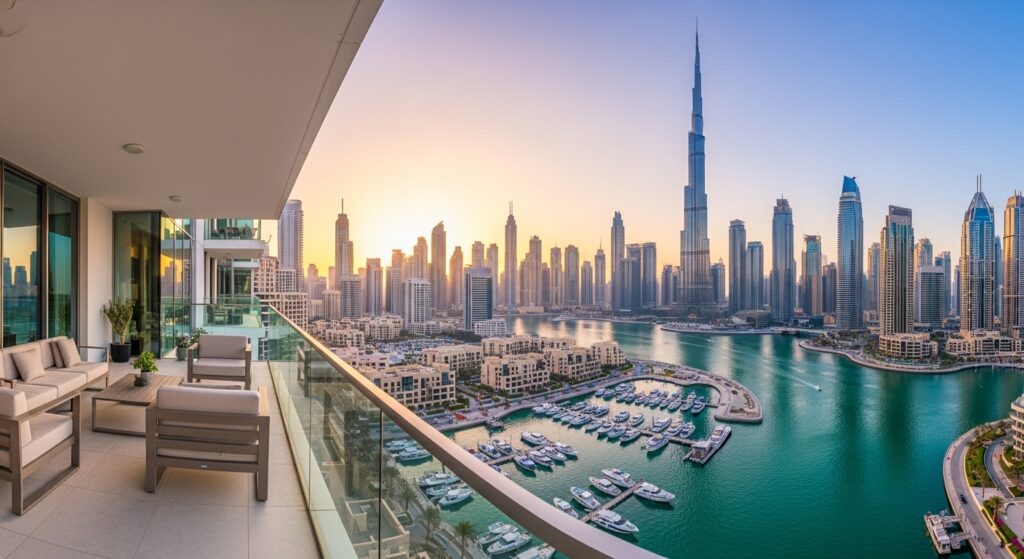
How Airbnb rentals work in Dubai
Airbnb rentals in Dubai operate within a specific legal framework and set of obligations that every landlord must follow. Short-term rentals differ from traditional long-term leasing mainly in management style, costs, and expected returns.
Legal framework – permits and licenses (DTCM)
Every short-term rental property owner in Dubai must obtain a license from Dubai Tourism and Commerce Marketing (DTCM). This license is mandatory for all properties listed on Airbnb, regardless of location or apartment type. The license ensures that the property meets local safety and quality standards and allows the owner to legally provide accommodation to international guests. Operating without a valid license can result in substantial fines and a ban on renting.
Landlord obligations
The landlord is responsible for complying with local regulations, paying licensing fees, ensuring guest safety, and properly registering the property. Occupancy records must be maintained and DTCM regulations followed. The landlord must also ensure cleanliness and maintenance, handle guest complaints, and maintain good reviews, all of which have a direct impact on ROI.
How short-term rentals differ from long-term rentals
Short-term rentals generate higher nightly rates but require more frequent management, marketing, regular cleaning, and ongoing maintenance. Long-term rentals offer greater stability and lower management costs, but monthly returns are usually lower. The choice between these two rental strategies depends on the investor’s goals-whether they prefer an actively managed short-term rental with higher ROI or a passive long-term rental with predictable cash flow.
Real Airbnb returns in Dubai
Airbnb rentals in Dubai can generate attractive returns, but the actual return on investment often differs from expectations. Returns depend on location, seasonality, property type, and management approach.
Average occupancy
Apartments in Dubai generally enjoy good occupancy rates, which vary by location and time of year. Occupancy is highest during the winter season and holidays, when the city attracts the most tourists and short-term visitors. Lower occupancy is typically observed during the hot summer months and Ramadan. Stable occupancy is crucial for predictable rental income and effective cash flow planning.
Average daily revenue by location
Rental income varies depending on the attractiveness of the location and property type:
- Dubai Marina: 600–900 AED per night, according to Bayut.
- Palm Jumeirah: 700–1,000 AED per night, according to Bayut.
- Downtown: 500/650–950/1,000 AED per night, according to Bayut.
- Jumeirah Village Circle (JVC): 300/500–800/1,000 AED per night, according to Bayut.
These figures represent real averages, accounting for seasonal fluctuations, client type, and property availability. Returns in prestigious areas like Palm Jumeirah are typically higher but require active management and investment in marketing and maintenance.
Comparison of ROI with long-term rentals
Short-term rentals via platforms like Airbnb usually deliver higher ROI than traditional long-term leasing. However, this higher return requires active property management—regular cleaning, maintenance, and handling seasonal occupancy fluctuations. In contrast, long-term rentals offer a more stable and passive income with lower operational costs, although the overall return tends to be lower.
Investor Expectations vs. Reality
Short-term rentals via Airbnb in Dubai attract investors primarily with the promise of high returns and flexible cash flow. However, many investors enter this market with unrealistic expectations, often influenced by developer marketing and idealized examples from luxury locations. Reality can differ significantly depending on occupancy rates, seasonality, and hidden costs associated with property management.
ROI Expectations
Apartments for sale in Dubai Investment Park (DIP) are available both as ready-to-move-in units and off-plan. Layouts range from studios to four-bedroom apartments. With proximity to schools, supermarkets, and shopping centers, DIP is ideal for families and professionals seeking affordable housing with easy access to Dubai’s main areas.
The estimated return on investment (ROI) is around 10.5%, making DIP one of the areas with the highest ROI for residential properties in Dubai, according to Bayut.
Seasonal fluctuations (Ramadan, summer vs. winter)
Airbnb rentals in Dubai are highly sensitive to seasonal fluctuations. The most lucrative period is the winter season, when the city attracts tourists from around the world and apartment occupancy is at its highest. Summer months and Ramadan see lower demand, which can temporarily reduce bookings and, consequently, income. Planning and a pricing strategy tailored to seasonal trends are therefore essential for maintaining a stable ROI throughout the year.
Management and maintenance costs
Operating an Airbnb property requires active management, often through a professional property management team. In addition, costs include regular cleaning after guests, marketing and online promotion, as well as minor repairs and maintenance of the apartment’s equipment. These expenses can significantly impact net income, making it essential to consider them when planning ROI and expected cash flow.
Benefits of Airbnb Rentals
Airbnb rentals in Dubai offer investors several advantages that can increase returns and provide flexible property management.
Higher returns with proper management
Short-term rentals can deliver higher ROI than long-term leases, especially in popular areas like Marina or Palm. Professional management ensures occupancy, cleaning, and marketing.
Flexibility – owner can use the property
The owner can use the property for personal stays while earning rental income during the remaining time.
High demand from tourists and expats
Dubai is a year-round sought-after destination, ensuring steady demand for short-term rentals and high occupancy rates.
Airbnb combines higher returns, flexibility, and access to a stable client base, making it an attractive option for active investors.
How to Maximize Your Airbnb Investment
The right approach can significantly increase returns from short-term rentals.
Choosing the right location
The most lucrative areas are Dubai Marina, Palm Jumeirah, Downtown, and Jumeirah Village Circle (JVC). Higher occupancy rates and daily rates ensure better ROI.
Professional property management
Partnering with a reputable management company ensures regular maintenance, marketing, and smooth operation of your rental.
High-quality amenities and online presentation
Attractive photos, modern furnishings, and positive guest reviews boost occupancy and daily rates.
Proper location selection, professional management, and a quality property presentation are key to maximizing returns.
FAQ – Most Frequently Asked Questions
Is Airbnb rental legal in Dubai?
Yes, with a valid license from DTCM.
What is the average Airbnb return in Dubai?
Actual returns typically range between 7–10% ROI.
Do I need a license for Airbnb rentals?
Yes, all short-term rentals require a DTCM license.
Is Airbnb more profitable than long-term leasing?
Yes, it can offer higher ROI, but it requires more active management.
What are the main costs associated with Airbnb rentals?
Property management, cleaning, marketing, maintenance, and licensing fees.
Airbnb offers the potential for higher returns but demands active management and careful planning. Investor expectations often exceed reality. The most successful locations include Dubai Marina, JVC, and Downtown, while Palm Jumeirah offers prestige and a luxurious guest experience. Trim Real Estate supports investors in managing properties and selecting projects where Airbnb makes real sense.
Want to find out if investing in Airbnb is right for you? Contact Trim Real Estate for expert guidance on location selection, management setup, and revenue optimization.